Synopsis
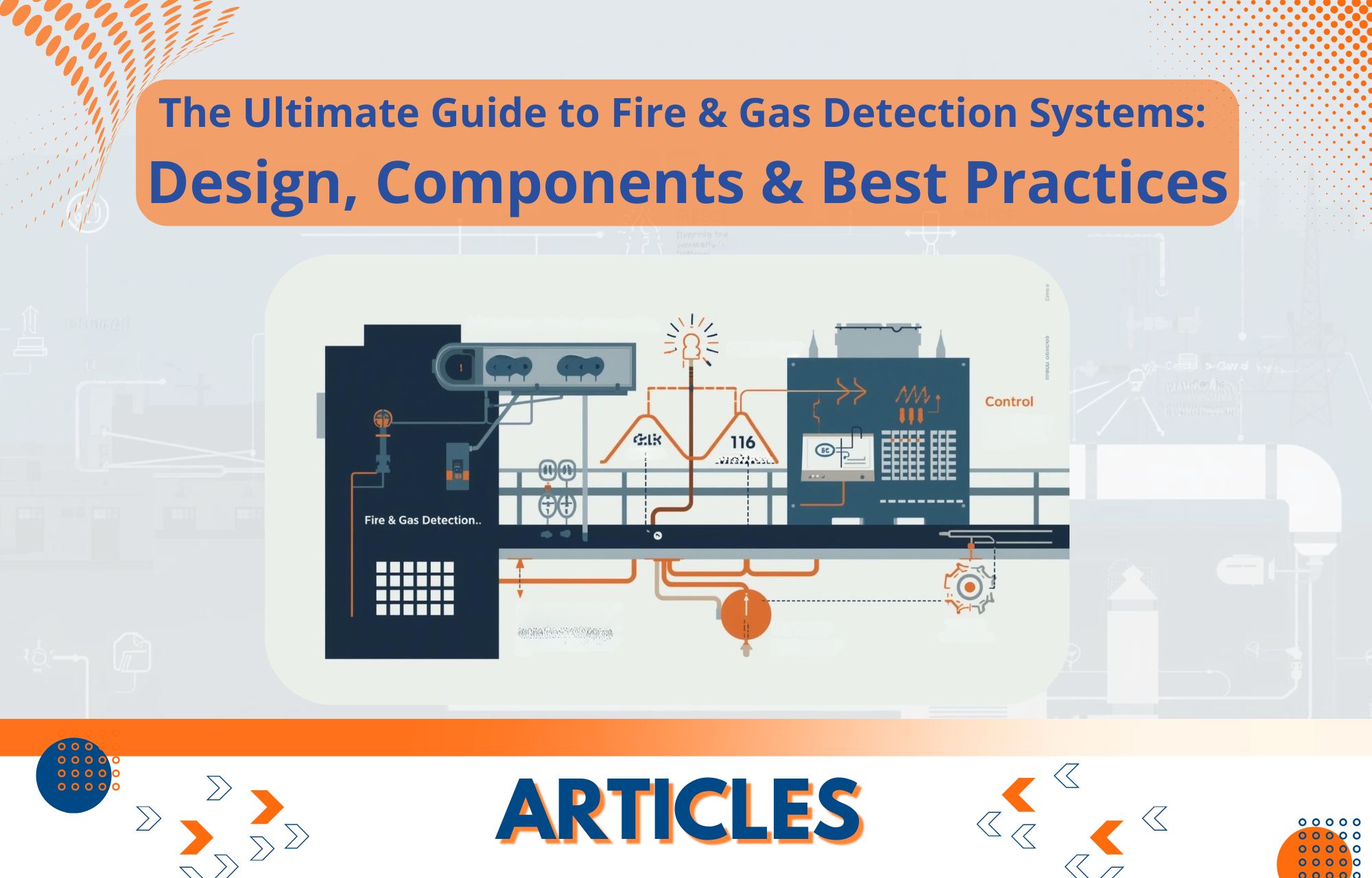
As regulations get stricter and dangers get more complicated, it’s important for safety-critical facilities to know how fire and gas detection systems are made, what parts they include, and how to use best practices in the industry. This guide covers the whole life cycle of detection systems, from choosing sensors and analysing hazards to installing, commissioning, maintaining, and integrating them. This way, Rotaflow’s clients can use high-performance, code-compliant protection solutions for industrial, utility, and commercial projects.
Introduction
Fire, flammable or toxic gases, and flame occurrences are always a threat in many fields, such as utilities, chemical processing, oil and gas, and power generation. A safety-instrumented protection strategy needs a well-designed detection system to lower these hazards. This guide explains how to set up fire and gas detection systems, what parts they should include, and how best practices can help make sure they work well for a long time and follow the rules. Rotaflow Fire & Utility is a company that makes engineered solutions for complicated situations.
The Design Lifecycle of Systems for Detecting Fire and Gas
Putting sensors in and connecting them together is not enough to design a fire and gas detection system. The known lifecycle steps help make sure that safety systems work well, cover a lot of ground, and work well with other systems. ISA TR 84.00.07 is a helpful guide for figuring out how well a F&G system works.
Important steps are:
Hazard and risk assessment: Find fire, gas and flame risks, mark their sources on a map, and guess what will happen if they aren’t found.
System specification and architecture: Figure out what sorts of sensors are needed, where they will be placed, how many of them are needed, how to monitor and set off alerts, and how to connect to systems that can put out fires or shut down.
Choosing parts: Pick sensors (for smoke, flames and gas), controllers, alarm outputs, communication networks and power and backup systems.
Installation and commissioning: This includes setting up the equipment correctly, calibrating it, testing its functions, and integrating it.
Operations, maintenance, and review: Regular checks, tests, sensor calibrations, and system changes as processes or facilities change.
If you follow this framework, detection systems are much more likely to work as they should for real dangers instead of just meeting safety standards.
Parts of systems that detect fire and gas
These are the main parts:
Sensors and detectors
Fixed gas detectors: Keep an eye out for harmful or flammable gases. Placement must take into account gas density (whether it is lighter or heavier than air), how air flows, and where leaks are most likely to happen.
Flame detectors: It can see or pick up infrared or ultraviolet traces of flames. They are helpful in open areas or places where there is a risk of hydrocarbon fires.
Wikipedia
Smoke and heat detectors: These are traditional fire detectors that work by detecting smoke, ionisation, or light. They work best in closed environments.
Controllers and alarm panels : It gets information from sensors, applies cause-and-effect logic to turn on alarms, suppress them, or shut down equipment.
Power and backup systems: making sure that everything keeps running, having backups, and keeping an eye on power outages or battery health.
Communication and integration: connecting the detection system to building management, DCS/SCADA, suppression systems, and emergency response.
Tools for maintenance and calibration: for regular testing, bump tests (for gas sensors) and checking that the tool works.
Architecture and Zoning
Detection systems must be logically divided into zones based on the type of hazard, the process unit, the number of people in the area, or the level of risk. The design needs to take into account:
- Sensor coverage (making sure there are no blind spots)
- Redundancy (so the system keeps working even if one portion breaks)
- Voting logic (to cut down on false alarms, more than one sensor may go off)
- Works with other safety systems like fire suppression, ventilation, and shutdown.
- Keeping track of alarms and logging data for audits and following the rules
Infrastructure for Installation
- For performance, proper installation is a must. Important things to think about are:
- Mounting angle, height, and a clear line of sight, especially for flame detectors
- Routing cables, insulating them, and keeping them away from sources of EMI and noise
- Protection from the environment (ratings for ingress protection, resistance to temperature and humidity)
- Gas density determines where things are (for gas detectors, heavier gases are lower and lighter gases are higher)
- Putting them into physical protection zones (such hazardous area classification, explosion-proof sensor housings, etc.)
Best Ways to Find Fires and Gas
Using best practices guarantees that systems are dependable, useful, and don’t let people get lazy. Some important things to do:
- Do a full examination of fire and gas hazards: Before you choose sensors and detectors, make a map of the possible threats, leak channels, ignition sources, and ventilation patterns.
- Choose the right sensor technology and where to put it. For example, if you want to keep an eye on a gas that is heavier than air, like propane, you need to put the detectors close to the ground or in low vents.
- Set up the right power supply architecture and monitoring: Make sure that backup power, monitoring of ground faults, and fault annunciation are all included.
- Make sure the detectors are installed and commissioned appropriately: they must be mounted firmly, free of vibration, and aligned accurately. Commissioning must confirm that they work fully.
- Routine maintenance, calibration, and testing: scheduled bump tests for gas sensors, visual inspections of flame detectors, cleaning and testing of detectors.
- Ongoing evaluation and adaptation: The detection system needs to be checked and updated if facility activities change, hazard profiles alter, or new codes come out.
By making these practices a part of their daily work, companies make sure that detection systems work well over their entire life cycle, not only when they are first installed.
Things to think about while designing fire and gas detection
When you design systems, you should pay special attention to the following things:
- How many sensors do you need? What area does each one cover? What is the minimum distance between flame detectors, smoke detectors, and other sensors?
- Response time and sensitivity: The specification should say how soon a detector has to respond and how sensitive it needs to be to the danger.
- Managing false alerts: If you’re too sensitive, you’ll get annoying alarms; if you’re not sensitive enough, you’ll be less safe. You should use voting logic, redundancy, and filtering.
- Integration with suppression/shutdown: Detection triggers must start protective actions downstream, including ventilation, suppression, shutting off fuel, and so on.
- Environmental factors like harsh temperatures, high humidity, corrosive atmospheres, and vibration can all shorten the life and performance of sensors.
- Classification of hazardous areas: Sensors that work in explosive environments need the right classifications (such Ex or inherently safe).
- Data management and audit trails: Systems should keep track of warnings, defects, tests, and calibrations to make sure they follow the rules and keep getting better.
When looking at the lifecycle cost, think about more than simply the cost of installation. Also think about the cost of maintenance, calibration, downtime, and getting spare parts.
Common Use Cases
Here are some frequent uses for fire and gas detection systems that are very important:
Process facilities and petrochemical units: There are combustible gas leaks, a risk of fire from hydrocarbon discharges, and wide open areas that need more than one type of detector.
Utilities and power generation: gas turbines, places to handle fuel, places to store hydrogen, and turbine enclosures.
Storage tanks and loading racks: Hydrocarbon vapours, risk of fire, and detectors that are exposed to the outside and need to be made more durable for the environment.
Hazardous places or confined spaces: These are places where there may not be enough oxygen or where hazardous gases may build up. Both permanent and portable detection are needed.
Commercial and industrial buildings: big refineries, warehouses, and parking garages where fire detection has to work with building management and evacuation systems.
Compliance, Standards, and Codes
For both building/fire codes and insurance or regulatory compliance, any fire and gas detection system must meet known standards and rules. Some important standards are:
- The National Fire Protection Association (NFPA) sets standards for systems that detect, sound alarms, and put out fires.
- ISA TR 84.00.07 for how well the fire and gas systems work.
- Certifications for detectors used in dangerous places, such as UL, ATEX, and IECEx.
- Requirements for construction and fire codes in your area.
Making sure that everything is in line with the rules from the start of the design process saves money on retrofits and system non-conformance.
Upkeep, testing, and managing the lifecycle
After they are set up, systems must always be ready and working during their service life. Important points:
- Scheduled inspections include cleaning detectors, aligning sensors, and doing visual checks and functional tests.
- Calibration and bump testing: This is especially important for gas detectors to make sure they are sensitive and set off alarms at the right levels.
- Written maintenance logs: Keep track of alerts, problems, maintenance tasks, and calibrations. These are helpful for audits and ongoing development.
- Planning for spare parts and obsolescence: Technologies change, so make sure you have spare sensors and controllers on hand and prepare for upgrades.
- Training of staff: Operators, maintenance workers, and safety professionals all need to know how the system works, how to respond to alarms, and what maintenance has to be done.
One of the biggest reasons that performance goes down over time is not taking care of a detection system effectively.
New Technologies and What the Future Holds
Detection technologies change as risk landscapes change. Here are some trends to keep an eye on:
- Smart sensors and IoT integration: monitoring in real time, diagnosing problems from afar, and predictive analytics.
- Combined gas/flame/multi-hazard sensors: Keep an eye on more conditions with fewer instruments.
- Better algorithms and fewer false alarms: AI can filter out annoying signals and make systems more reliable.
- Better sensor materials for high temperatures, corrosive environments, and offshore deployments make them more durable under severe conditions.
Planning for detecting systems that can last for a long time can save expenses over time and make them work with new rules or ways of using the facility.
Rotaflow Fire & Utility for Your Detection Plan
Rotaflow Fire & Utility has a lot of experience designing, supplying, installing, and maintaining fire and gas detection systems for tough industrial and utility-grade applications.
- Rotaflow can help you with system design, integrating components, coordinating contractors, or ongoing support.
- Full support for a project, from assessing hazards to commissioning and maintenance.
- A strong supply chain for detectors, controllers, and interfaces that fulfil the most recent standards and certifications.
- Experience working with utilities, industrial process facilities, and fire-rated systems under tough conditions.
When you work with Rotaflow, you make sure that your fire and gas detection plan is strong, legal, and useful during its whole life cycle.
Final Thoughts
Designing, installing, and keeping up a high-performance fire and gas detection system is a difficult but important job. Every step is important, from analysing hazards to placing sensors, starting them up, and managing their lifecycle. The system protects people, assets, and operations when it is set up appropriately. This lowers risk and makes the system more resilient.
Are you ready to improve your fire and gas detection plan? Call Rotaflow Fire & Utility today to talk about what your system needs, look at the right parts, and set up a consultation that fits your project.