Home / Fire Systems Design and Engineering Services
Rotaflow offers in-house engineering and design for fire protection, underground utilities, hydraulic analysis, BIM modelling and industrial infrastructure projects for commercial and industrial sites.
Ongoing assessments, technical verification and compliance with applicable industry standards ensure Rotaflow’s accredited engineering and quality management systems.
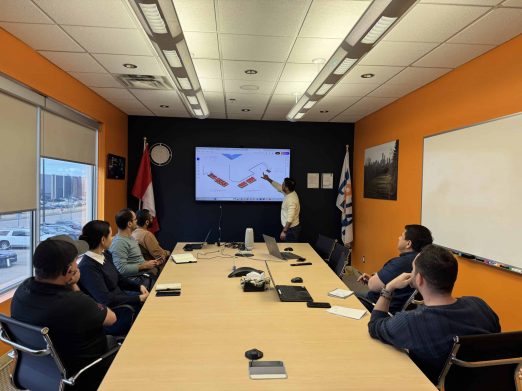
Rotaflow provides engineering, hydraulic analysis, BIM coordination, inspection, and system integration services for industrial facilities.
Rotaflow offers fire sprinkler system engineering, hydraulic analysis, fire code compliance evaluations, BIM coordination, and infrastructure integration services. Engineering support is intended to enhance system performance, project coordination and installation accuracy for commercial and industrial fire protection applications.
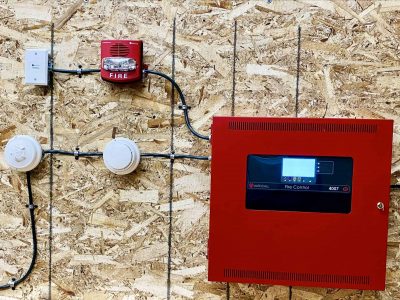
Engineering services for fire alarm and gas detection systems include hydraulic coordination, fire code compliance and BIM integration and project planning support. Rotaflow provides engineered solutions for dependable detection, system performance and effective project execution.
Special hazard fire suppression systems require specialised engineering support. Rotaflow offers hydraulic analysis, code compliance evaluations, infrastructure integration, and BIM coordination to get the job done. Services are intended for complicated industrial applications and long-term system reliability.
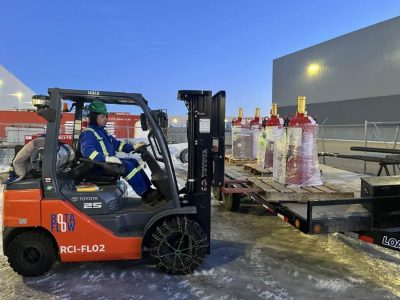
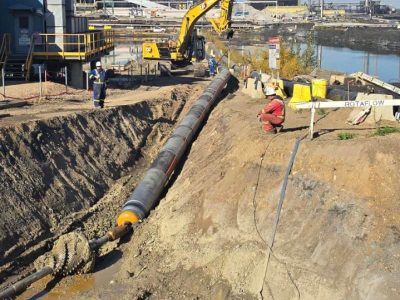
We provide engineering services for underground fire water and utility systems that include hydraulic analysis, infrastructure integration, BIM coordination and regulatory compliance support. Rotaflow is an engineering utility provider of safe operation and reliable infrastructure performance.
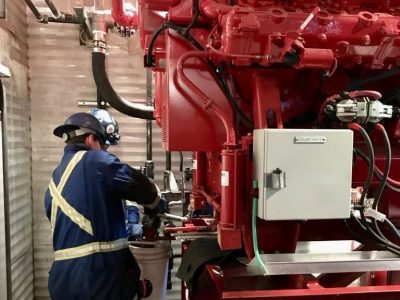
Rotaflow offers inspection, verification and system integration services to verify code compliance, installation accuracy and operational reliability. Industrial Facility Services offers BIM coordination, engineering reviews, hydraulic verification and project integration support.
Rotaflow also offers engineering documentation, procurement support, quality control and project coordinating services.
Initial engineering assessments of project planning, system feasibility and design coordination.
Design basis memorandums document the project criteria, technical requirements and engineering objectives.
Engineering specifications define system requirements, materials, compliance standards and scope information.
Project estimation services help you budget, arrange materials, schedule and coordinate costs.
Procurement coordination helps in procuring materials, managing vendors and organising project delivery.
Quality control and inspection planning techniques assist in compliance, testing and project verification.
Rotaflow provides integrated engineering, procurement and project support services for complicated industrial applications.
We are committed to ongoing learning, certification, and being part of our professional community.

Rotaflow integrates engineering skills, modern software and technical collaboration to provide reliable project execution.
Our experienced engineers deliver practical, code-compliant solutions tailored to your facility, ensuring safety, quality, and reliable project execution.
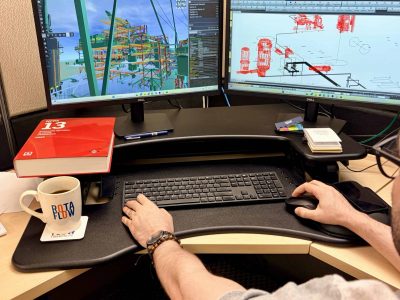
Using BIM, Autodesk Revit, AutoCAD Plant 3D, HYDRAtec, AutoSPRINK, and AFT Fathom, we create coordinated 3D designs, accurate hydraulic models, and efficient system layouts.
Working closely with clients, consultants, and contractors, we provide transparent communication, coordinated engineering, and on-time project delivery.
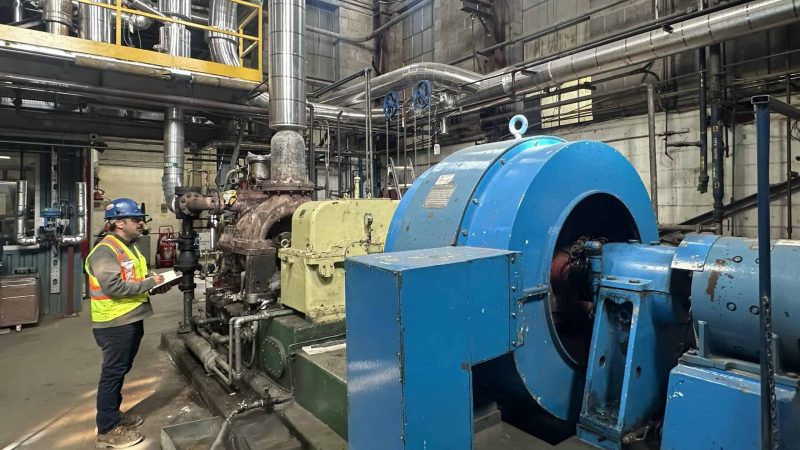
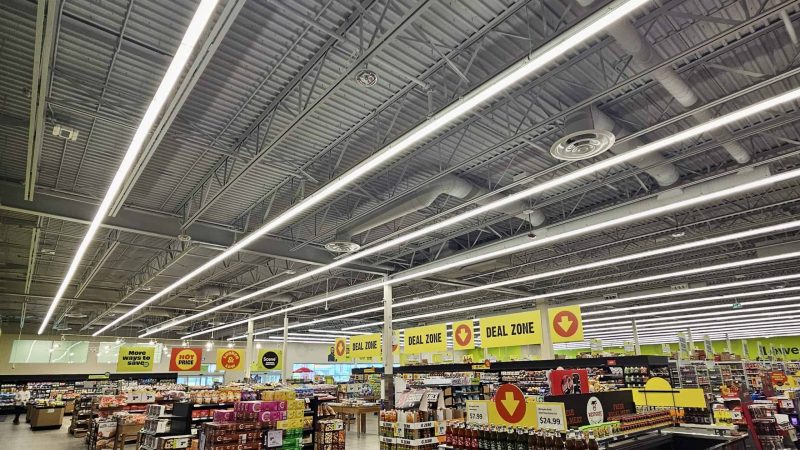
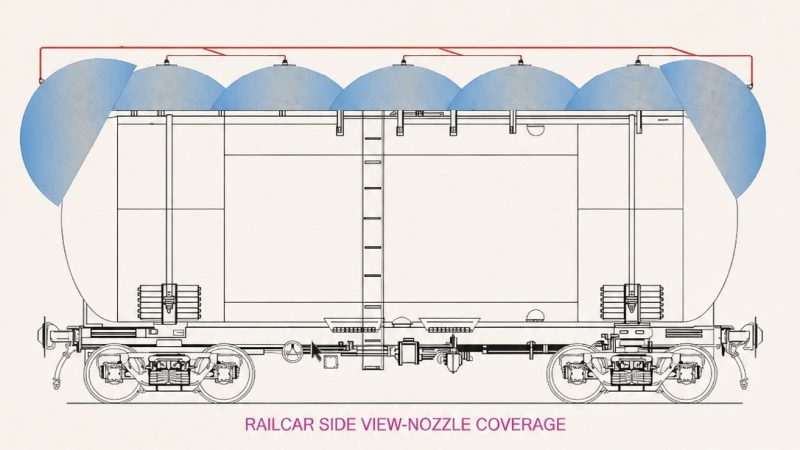
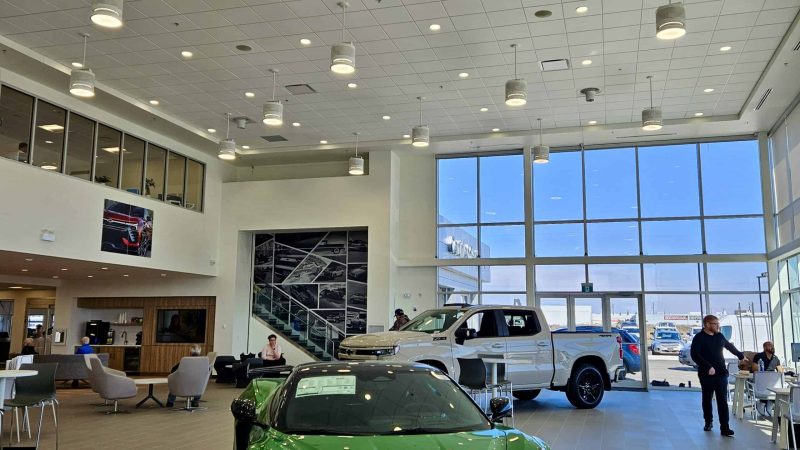
Proper fire alarm and suppression system design ensures fast fire detection, effective suppression, and compliance with safety standards—protecting lives, assets, and property.
We strictly follow NFPA, ULC, and local codes. Our team uses advanced 3D modeling and hydraulic calculations to verify system performance and compliance before installation.
NFPA 20 requires that a listed fire pump must produce at least 65% of its total rated head when operating at 150% of rated capacity, and the shutoff (churn) head cannot exceed 140% of rated pressure. The performance curve is a basic design constraint — a fire pump system designer must select a pump/driver combination that can meet both ends of that curve, not just the rated duty point.
NFPA 20 allows for testing (and thus design) for a reduced maximum flow condition where the water supply truly cannot provide 150% of the rated pump flow – the system is tested at the maximum flow the supply can actually provide. The implication is that a limited water supply does not disqualify a design but it must be explicitly reflected in the engineering documentation rather than assuming full-curve performance is feasible.
NFPA 20 calls for a weekly run test of diesel-driven fire pump engines with a minimum run timer of at least 30-minutes, enough time for the engine to reach normal running temperature. This is important at the design stage because the ventilation, cooling and exhaust systems for the pump room will all need to be sized for a full 30-minute run under load, rather than a brief start-up cycle.
NFPA 20 requires that the motor current be verified for a minimum of 30 minutes during testing to ensure that the motor is operating within its rated limits over a period of time and not just at startup — a consideration that affects how electrical engineering coordination (breaker sizing,
thermal protection settings) should be documented in the design package.
NFPA 20 recognises the vertical shaft turbine type pump as a distinct equipment category to be used where the water supply is below the pump, i.e. drafting from an underground reservoir. Other pump types share the same 140% shutoff head limitation, but the engineering issues of submergence depth, column length, and suction conditions are unique to this configuration and do not carry over directly from a horizontal split-case pump design.
Water-Based Fire Suppression Systems
Sprinkler Systems — Automatic fire control for commercial, residential, and industrial buildings.
Standpipe Systems — Vertical piping systems supplying water to fire hoses for manual suppression.
Deluge Systems — Designed for high-risk environments like power plants, chemical storage facilities, and aircraft hangars.
Water-Based Fire Suppression Systems
Special Hazard Fire Suppression Systems
Fire Pump Systems
Design Fire Detection Systems
Design Notification & Alarm Systems
Gas Detection Systems
We utilize advanced software, including BIM, Revit, and Navisworks, to ensure fire suppression systems operate at peak efficiency:
Rotaflow Fire & Utility provides comprehensive design and engineering solutions for underground fire protection utilities, ensuring seamless integration with municipal infrastructure.
Our Civil Engineering & Underground Utilities Services :

From scoping and detailed design to construction and maintenance, if you’ve got questions or ideas you would like to share, send a message.