Over the last 10 years, the fire protection industry has changed rapidly, resulting from stronger codes; new hazardous materials; and best practices in data-driven equipment. Among some of the most notable innovations are remote inspections for ITM, digital ITM reporting, transitions to PFAS-free foam, and lithium-ion safety standards. Each of these innovations has dramatically altered the way fire protection systems are designed, maintained, and enforced.
These ten advancements represent only a small fraction of the overall evolution of fire protection that has occurred within the last decade and demonstrate that there are continued developments leading to improvements in safety, compliance, and system reliability of today’s modern fire protection systems across all types of facilities.
Introduction
Ten years ago, many of the tools, data sources and code provisions that are used today were simply not available. The Fire Protection industry has progressed rapidly in recent years due to new hazards, improved data and hard lessons learned from the field.
Digital reporting platforms now provide previously unavailable information regarding inspection, testing and maintenance performance. Fire codes have expanded to include emerging industries like cannabis production, energy storage and improved standards have created more clarity in how to protect storage areas, parking structures and specialised occupancies.
Below are ten examples that illustrate how far we have come as an industry and the importance of these changes in the real world. Collectively, they illustrate a clear transition towards using data to make decisions, proactively manage risk and develop stronger regulations that contribute to ensuring that fire protection systems will perform when lives and property are at stake.
Awareness of PFAS has radically altered foam system regulation. PFAS-containing AFFF is being phased out based on NFPA 25 testing, inspection, and maintenance triggers, rather than arbitrary timeframes.The 2027 International Fire Code restricts the use of PFAS in new foam concentrations, requires NFPA 25 testing of existing systems, and permits current PFAS foam to remain in operation until a replacement trigger occurs. Those triggers include failed annual foam tests and mandated tank hydrostatic testing, both of which must be reported to the fire code official.
The 2024 version of NFPA 1 underlines the requirement that foam concentrates be indicated for use with specific system components, as well as replacement foam, and that various foam kinds or brands not be mixed unless backed by manufacturer data and approved by the AHJ. This strategy strikes a balance between environmental responsibility and operational safety.
Lithium-ion hazards were barely recognised ten years ago. Today’s fire codes cover bulk battery storage, energy storage systems, electric vehicles, micromobility devices, and battery waste facilities. These features will continue to evolve as incident data and studies expand.A lithium-ion task group was formed by the NFSA’s Engineering and Standards Committee (E&S) to compile and publish the most recent protective guidelines. What began as a blog has evolved into a formal handbook that provides the most up-to-date information for designers, inspectors, and fire officials.
Inspection, testing, and maintenance data have transitioned from paper files to actionable information. Many jurisdictions increasingly use electronic inspection, testing, and maintenance (ITM) reporting to detect trends, improve compliance, and direct enforcement efforts. This transformation has altered how AHJs perceive system reliability and hold owners accountable.NFSA presently tracks over 1,400 jurisdictions through third-party ITM reporting platforms such as The Compliance Engine (Brycer) and IROL (Inspection Reports Online). We keep a nationwide ITM map to track gaps, growth areas, and enforcement readiness. These tools are increasingly important for lifecycle safety, but they also pose concerns regarding data consistency, security, jurisdictional authority, and cost allocation.
A decade ago, fire codes provided no relevant framework for cannabis companies. Today, both the International Fire Code (IFC) and NFPA 1 include requirements for cultivation, processing, extraction, and dispensaries. These chapters recognise the particular fire, explosion, and electrical hazards associated with cannabis operations and provide AHJs with enforceable instruments that did not previously exist.That work will continue with NFPA 420, the Standard on Fire Protection of Cannabis Growing and Processing Facilities, which is set to be released in 2027. NFSA serves on the technical committee and is actively involved in developing regulations that balance safety, enforceability, and operational realities.
Protection of exposed expanding plastics is no longer ambiguous. Beginning with the 2016 edition of NFPA 13, and improved in subsequent editions, designers now have explicit restrictions for storage height, ceiling height, sprinkler type, discharge density, barrier location, and aisle configuration.These standards were influenced by full-scale testing and real-world fire experience. Ten years ago, many of these decisions were open to interpretation. Today, they are data-driven.
Distilleries used to exist in the grey region between industrial occupancy, storage, and assembly. Today, the 2024 IFC and the 2024 edition of NFPA 30 explicitly differentiate standards based on alcohol concentration, storage technique, and building size.Sprinkler design requirements, storage height limits, and protection strategies are now established. This has replaced the case-by-case engineering that previously dominated distillery projects, resulting in greater consistency across countries.
Remote inspections were once uncommon and controversial. Today, they are widely accepted as an enforcement tool in many countries. While remote approaches are not a substitute for all field inspections, they have increased access, improved efficiency, and enabled AHJs to retain oversight with limited resources.This transition is supported by NFPA 915, the Standard for Remote Inspections and Tests, which appears in the 2025 versions of NFPA 13, NFPA 20, NFPA 25, and NFPA 72, and is currently included in the 2027 model fire and building codes. This concept was virtually unknown ten years ago.
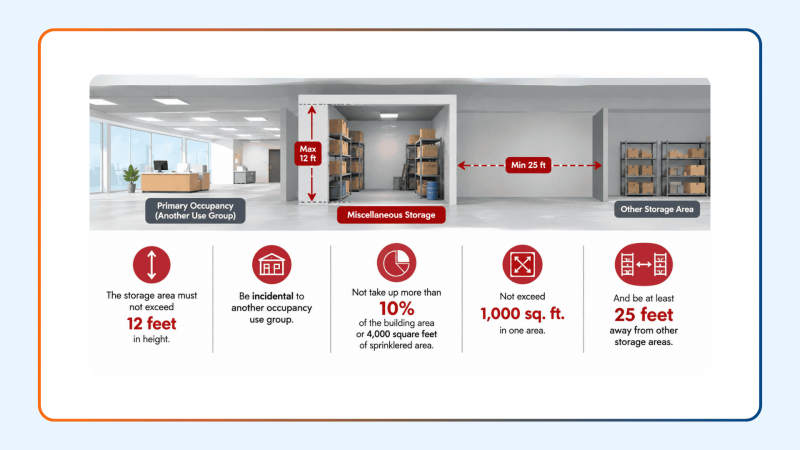
Storage protection no longer relies on assumptions. The 2018 IFC and the 2021 edition of NFPA 1 both need approved storage arrangement plans that include commodities, heights, aisle widths, clearances, and valve placements. These plans must be updated and posted.This improvement resulted from NFSA attempts to increase storage-occupancy sprinkler dependability. When approved storage plans are followed, evaluated annually, and linked to operating permits, owners must keep conditions consistent with the original system design. When modifications occur, the AHJ must be notified and the protection reassessed.
Open parking structure fire safety standards are an excellent example of how building and fire rules evolve. Earlier model codes regarded these occupancies as inherently low risk. That viewpoint was changed by research, fire experience, and electric car hazards.The 2021 International Building Code (IBC) and IFC require sprinklers in open parking garages when the fire area exceeds 48,000 square feet or the structure exceeds 55 feet in height. The 2023 edition of NFPA 88A included a zero-threshold sprinkler requirement. The 2024 editions of NFPA 1, NFPA 101, and NFPA 5000 now include the new NFPA 88A rules. The NFSA strategy for this change highlights how research, committee action, and adoption timescales converge to advance safety.
NFPA standards have increased considerably. NFPA 13 has grown from a tiny guidebook to a document as large as a two-car garage. Reorganisation efforts, notably those commencing with the 2019 edition, improved the application and location of storage criteria and in-rack sprinkler provisions.The 2024 edition of NFPA 14 is a complete overhaul that includes clearer criteria for fire protection zones, system redundancy, and water delivery beyond fire department pumping capacity in high-rise buildings. These are not cosmetic alterations. They reflect the complexities of modern buildings as well as the risks associated with fire.
The field of fire safety and protection is continuously improving and evolving. In the past 10 years, the fire protection industry has seen better data, clearer regulatory requirements, and improved enforcement mechanisms that increase both the reliability and accountability of fire protection systems. As these advances have enhanced compliance across the industry, they also allow for better responses to rapidly changing threats within today’s society.
The next 10 years will require even greater collaboration between building officials, contractors, manufacturers, and owners of buildings as technology becomes more and more advanced and new types of hazards emerge. In order to create resilient fire protection systems, there will need to be flexibility, ongoing training, and a mutual commitment to safety.
Any organisation that remains current with modern practices and agrees with current standards will be best positioned to save lives, protect assets, and maintain business operations during times of crisis.