Home / Clean Agent Fire Suppression Systems
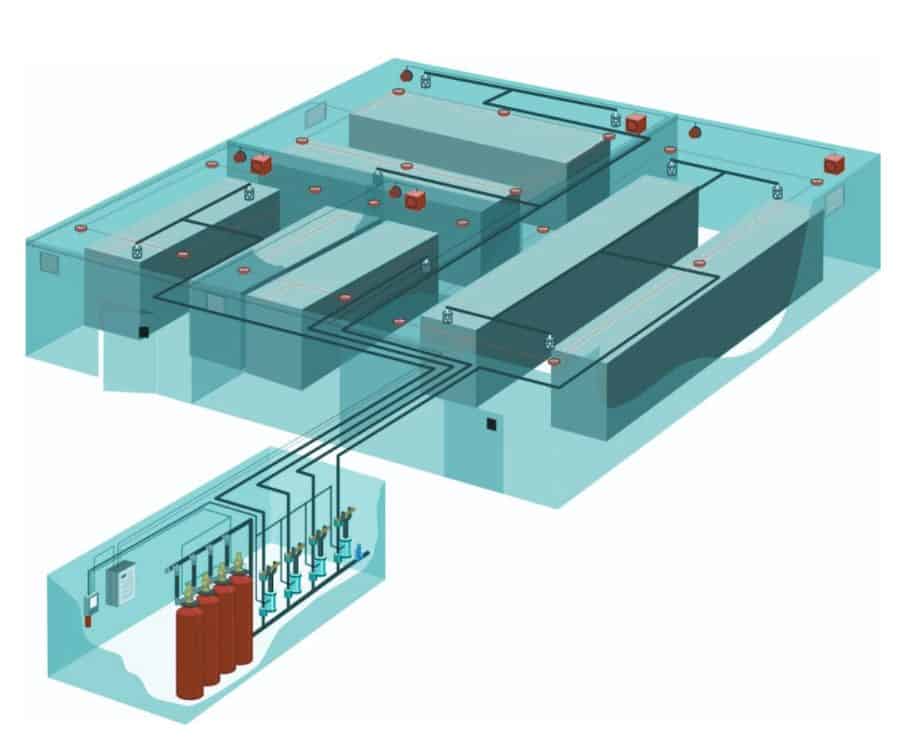
Rotaflow designs, installs, and maintains clean agent fire suppression systems for data centres, telecom rooms, control rooms, medical facilities, and other critical environments. These systems provide fast and effective fire suppression without leaving residue or damaging sensitive equipment.
Rotaflow fire suppression solutions comply with global and Canadian fire safety standards
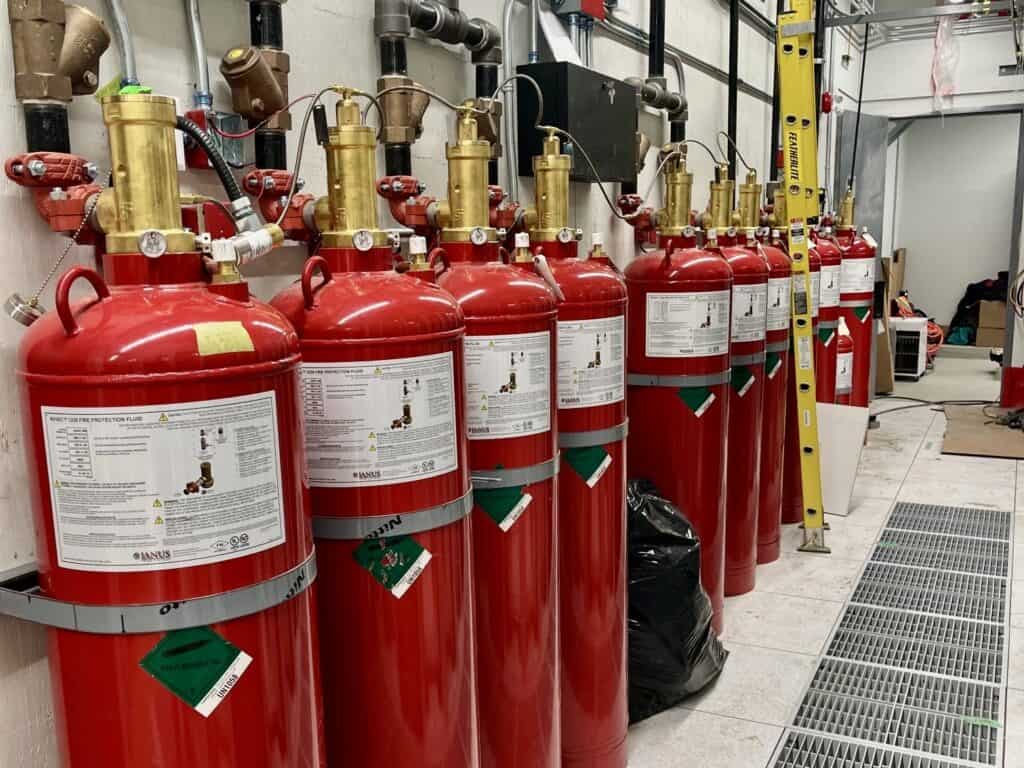
Rotaflow provides clean agent fire suppression solutions to safeguard sensitive equipment, essential infrastructure and occupied premises without water damage or residue.
FK-5-1-12 clean agent systems deliver quick fire suppression for sensitive areas like data centres, control rooms, telecom facilities and medical environments. The device instantly extinguishes fires without residue or harm to expensive electronics and crucial processes.
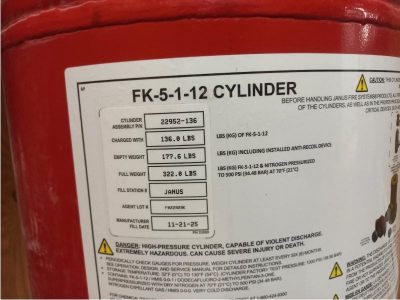
FM-200 fire suppression systems are designed for use in applications where rapid fire protection and low downtime are critical. This enables the system to quickly extinguish flames while safeguarding important equipment and is suited for server rooms, industrial facilities and mission critical activities.
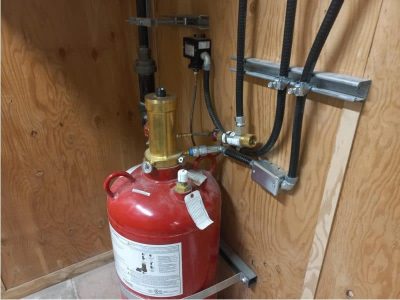
Inergen fire suppression systems use naturally occurring gases to reduce oxygen levels and safely control fires in occupied rooms. These systems are perfect for facilities that need ecologically friendly fire protection and want to maintain the safety of the occupants.
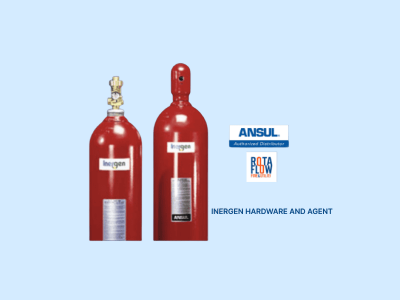
Rotaflow’s clean agent fire protection solutions are suited for data centres, telecom rooms and control facilities where typical water based systems might cause harm to critical technology and impede operations.
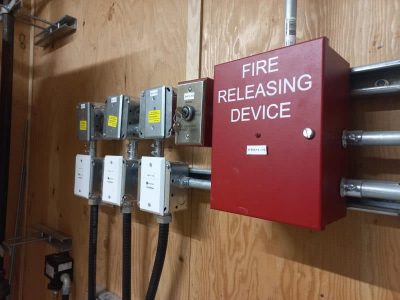
Rotaflow’s engineering team builds clean agent suppression systems based on facility needs, operational risks and applicable fire safety regulations to deliver reliable, compliant fire protection performance.
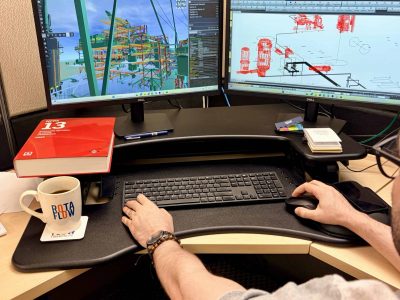
Rotaflow offers inspection, testing, maintenance and system upgrade services to ensure the clean agent fire suppression system maintains long term dependability, compliance and operational readiness.
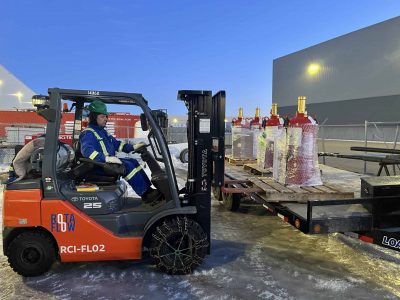
Rotaflow provides full service clean agent fire suppression for commercial and industrial facilities including system design and engineering, installation, testing and long-term maintenance.
Rotaflow examines fire hazards, facility layouts and protected objects to determine the appropriate suppression solution.
Clean agent systems are designed to meet NFPA 2001, CAN/ULC-S560 and facility-specific fire safety criteria.
Rotaflow provides certified professionals to install suppression systems with proper integration, configuration and operating reliability.
Rotaflow offers FK-5-1-12, FM-200 and Inergen systems for sensitive and mission critical settings.
System test and commissioning confirm discharge readiness, code compliance and overall suppression performance.
Routine inspections and maintenance and refill services assist assure reliable long term system protection.
Rotaflow provides inspection, testing and maintenance services for industrial fire prevention systems to assist facilities remain compliant, enhance operational reliability and promote long-term fire safety performance.
Rotaflow ensures the highest level of safety for critical industrial operations, particularly in high-risk sectors such as oil and gas.
Custom clean agent systems built to address the needs of critical spaces, facility dangers and regulatory compliance.
Proper system installation and flawless fire protection integration are assured by expert specialists.
Routine inspections and maintenance serve to ensure the long-term reliability of the clean agent system.
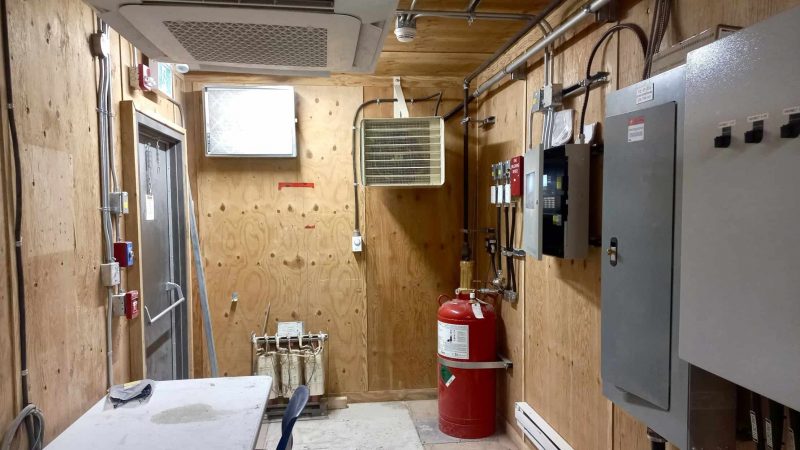
A clean agent system uses gaseous suppression agents like Novec 1230 or FM-200 to rapidly extinguish fires by displacing oxygen or absorbing heat, stopping the fire before it can spread. These systems are activated through fire detection systems and are designed to be safe for people and sensitive equipment
To ensure optimal performance, routine maintenance and inspections should be conducted annually in compliance with NFPA 2001 and local fire safety codes. Rotaflow provides scheduled maintenance to always keep your system operational.
NFPA 2001 defines the No recorded Adverse Effect Level (NOAEL) as the concentration at which no adverse physiological effects have been recorded and the Lowest Observable Adverse Effect Level (LOAEL) as the lowest concentration at which an adverse effect has been documented. Design concentrations in occupied spaces are generally at or below the NOAEL, and the standard specifies maximum allowable concentrations relative to the LOAEL for each agent, that is, agent selection and concentration design are directly impacted by the safety margins for human exposure, not merely the extinguishing performance.
NFPA 2001 requires that the design concentration for a Class B fuel danger be a minimum equal to the extinguishing concentration multiplied by a safety factor of 1.3. For Class A surface-fire hazards, a 20 percent safety factor is added to the flame extinguishment concentration. The larger margin for Class B is because flammable liquid flames tend to be more rapid in fire growth and have a higher energy release than surface burns on ordinary combustibles.
NFPA 2001 specifies that the design quantity of clean agent be changed with atmospheric correction factors when the ambient pressure is greater than 11 percent different from the standard sea-level pressure, or about a 3,000-foot elevation shift. Since clean agent systems are designed to achieve their design concentration on a volumetric basis within the protected space, the lower atmospheric pressure at higher elevations causes a different effective concentration for the same agent mass, and so requires a corrected charge quantity.
NFPA 2001 Annex notes that the purpose of the door fan testing is to quantify the enclosure leakage, and to estimate if the agent concentration can be maintained for the requisite hold duration, using a worst-case approach, as the fan does not distinguish between upper and lower leak locations. Crucially, the standard points out that enclosure integrity testing is not meant to find actual locations of clean agent leaks, but is instead a predictive leakage measurement, not a direct discharge verification, which explains why a successful door fan test still doesn’t replace a proper room integrity assessment during design review.
Hold time is the time necessary to maintain agent levels in the covered space sufficiently enough to completely suppress the fire before dilution to ineffective levels occurs. This is affected by a number of factors such as the presence of HVAC systems and other openings that may increase leakage rates. In rooms with a raised/sunken floor, NFPA 2001 requires that both the room and the raised/sunken floor space be protected simultaneously. The subfloor void is effectively part of the same connected volume and can compromise hold time if not protected.
Novec 1230 Fire Suppression System:
FK-5-1-12 is a cutting-edge, sustainable clean agent designed to suppress fires efficiently while being safe for the environment. It provides:
FM-200 Fire Suppression System
FM-200 is one of the most widely used clean agents in fire suppression systems, known for its rapid extinguishing properties. Features include:

From scoping and detailed design to construction and maintenance, if you’ve got questions or ideas you would like to share, send a message.