Home / Underground Fire Water and Utilities Systems
Rotaflow offers underground fire water and utility system servicing to industrial and commercial establishments, assisting with engineering, excavation, installation, maintenance and repair projects.
Rotaflow complies to industry safety requirements, recognised work methods and quality control procedures for underground utility system installations.
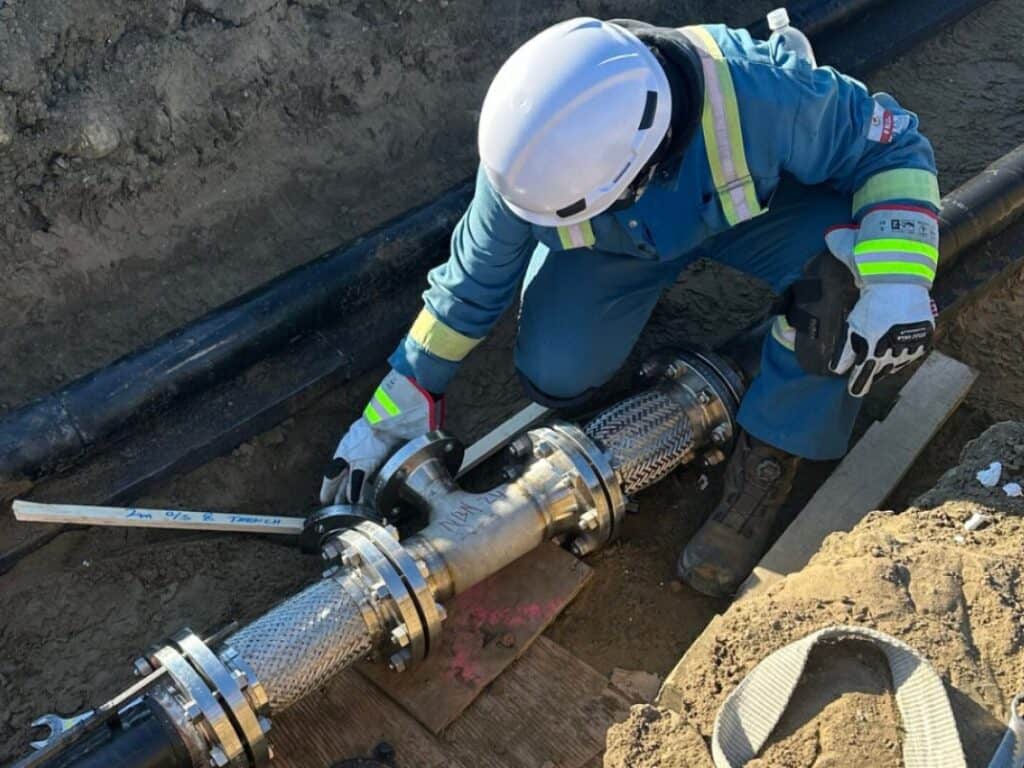
Rotaflow offers underground fire water, utility infrastructure, installation, maintenance, and engineering services for industrial applications.
Rotaflow offers engineering support for underground fire water and utility systems such as hydraulic analysis, fire code compliance, utility coordination and infrastructure integration. Services are developed for safe system operation, efficient project planning, and long-term infrastructure performance for industrial and commercial buildings.
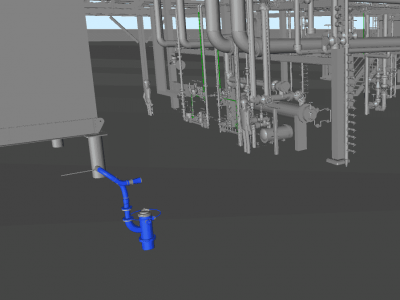
Rotaflow specialises in the procurement of materials for underground utility projects including pipes, valves, hydrants, fittings and control systems. Components are selected to assist dependable installation, quality control and efficient project coordination, while meeting NFPA, FM and project specific criteria.
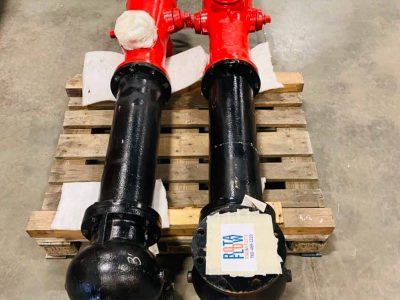
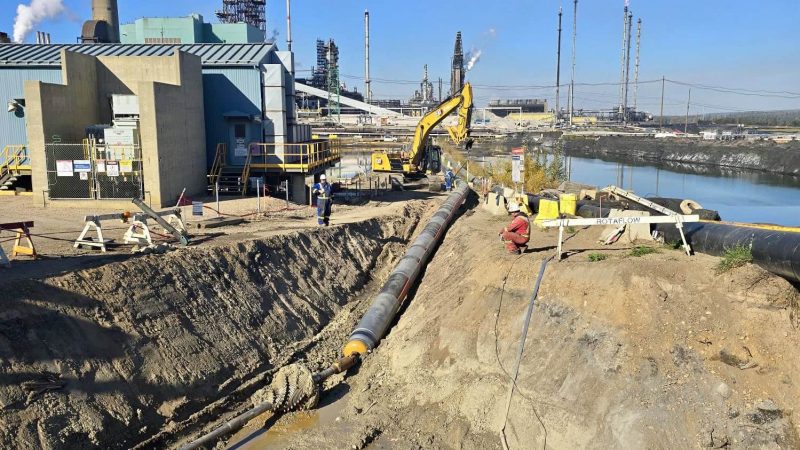
Construction and installation services include excavation and trenching, hydrant installation, underground piping, valve systems and fire water storage integration. Rotaflow manufactures to engineering specifications, safety regulations and industry standards to enable reliable underground utility system operation.
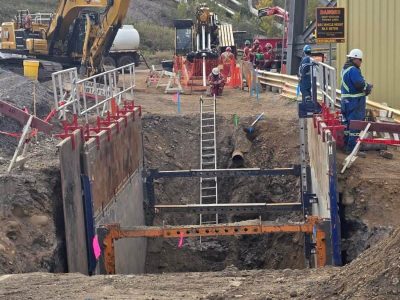
Rotaflow provides support services for underground utility inspection, flow testing, pipeline evaluations, hydrant servicing and system maintenance. Preventative maintenance services help increase reliability, extend the life of infrastructure and promote compliance with safety and operational standards.
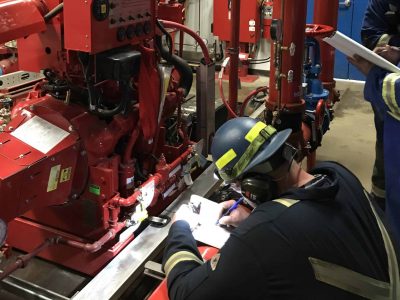
Rotaflow is applicable to projects involving underground utility infrastructure including water distribution, storm drainage, sewer systems, communication conduits and industrial service pipework. The services are meant to enable safe operation, long-term durability and reliable performance of infrastructure.
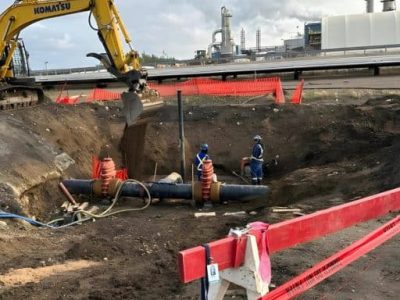
Rotaflow follows engineered installation, procurement, and maintenance processes for reliable utility system performance.
Engineering support includes hydraulic analysis, utility cooperation and fire water system development.
Material procurement provides quality controlled utilities, pipelines and project coordination.
Installation of underground utilities as per technical requirements and industry safety regulations.
Inspection and maintenance services provide for the reliable functioning of subsurface utility systems and compliance.
Rotaflow is a provider of engineered utility solutions that enable safe infrastructure operation and long-term system reliability.
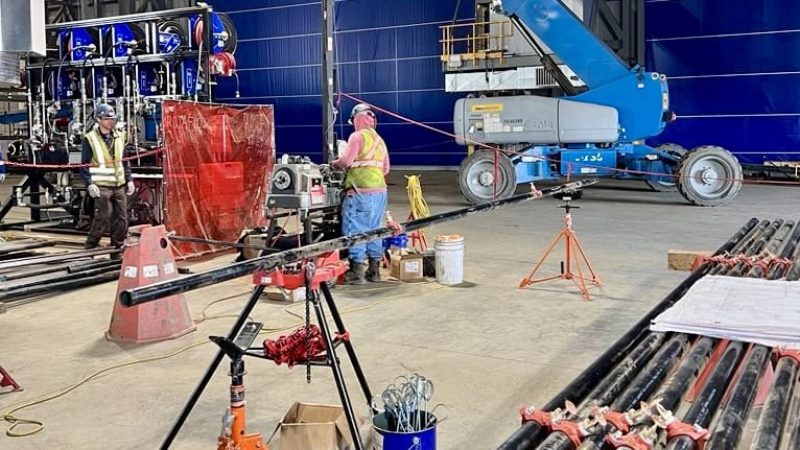
Rotaflow combines certified fabrication expertise, technical precision, and quality control to support reliable industrial project delivery.
Project coordination, scheduling and installation updates are communicated during every stage.
Hydratec, AutoSPRINK, and AFT Fathom support accurate utility layouts and planning.
Experienced utility professionals support safe installation, coordination, and project execution.
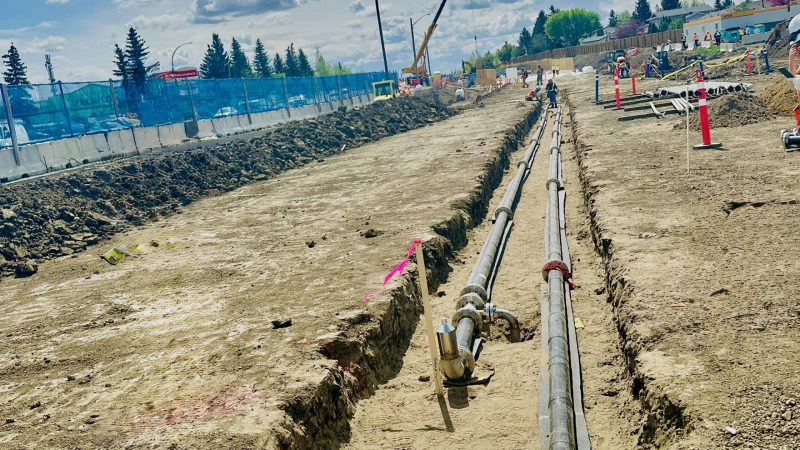
A dry barrel hydrant is defined in NFPA 24 as one that has its control valve below the frost line, between the footpiece and the barrel. The barrel is left empty and dry when not in use, thus protecting it from freezing. That’s why dry barrel hydrants are the usual in climates where the ground freezes. The shutoff point is below the frost line so water doesn’t sit in the exposed barrel during winter.
NFPA 24 requires that all piping and attached appurtenances subjected to system working pressure be hydrostatically tested at 200 psi or 50 psi in excess of the system’s working pressure – whichever is greater – and that pressure must be maintained within ±5 psi for a full 2 hours before acceptance of the installation.
NFPA 24 specifies that the flushing be at a certain flow rate and be continued until the water is clear . This is verified by testing for the absence of foreign particles gathered in burlap bags placed at outlets such as hydrants and blow-offs . The specification also makes reference to a target flushing velocity of roughly 10 ft/sec which is required to actively mobilise and flush construction debris, silt and pipe scale from the line rather than just flowing water through it.
Thrust blocks are used to resist the hydraulic thrust forces which develop at pipe bends, tees, dead ends and reducers so that the pipe joints do not separate under pressure. In fact, the annexe material of NFPA 24 states that concrete thrust blocks are one of the recognised methods of joint restraint, and the installation drawings within NFPA 24 itself show thrust blocks specified at hydrant connections and drainage points as part of a compliant layout – so there’s no option of joint restraint at these high-thrust locations.
The flow test documentation must indicate the static hydrant, the flow hydrant(s) utilised to produce and monitor the flow, and the type of restraint employed during the test. NFPA 24 The flow hydrant is the hydrant used for the flow and flow measurement phase of the test and not the residual/static hydrant where pressure readings are taken. Proper identification of each is important to ensure that the test findings are legitimate and reproducible.

From scoping and detailed design to construction and maintenance, if you’ve got questions or ideas you would like to share, send a message.