Home / Fire Code Engineering & Consulting
Rotaflow is an engineering-driven consultancy firm focused on fire code and process safety for industrial facilities and commercial activities. Our expertise support risk assessments, hazard identification, compliance checks, PHA, HAZOP and FMEA studies to increase safety, dependability and regulatory compliance.
Rotaflow offers practical safety solutions that help clients discover dangers, satisfy regulatory standards and operate more safely.
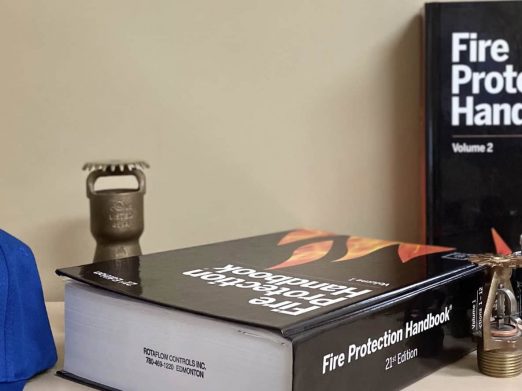
Rotaflow offers risk analysis, hazard identification and fire code consulting solutions to support facilities in improving safety and remaining compliant.
Rotaflow helps industrial facilities discover, evaluate and control potential process hazards before events occur. Our process safety consultancy involves organised PHA studies to assess operations, equipment and risks to improve workplace safety and reliability.
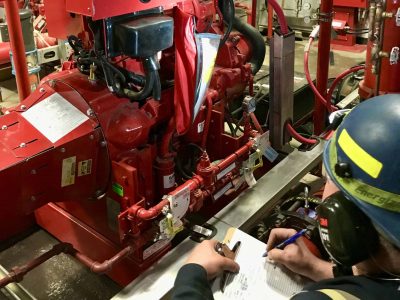
Rotaflow offers Hazard and Operability (HAZOP) and Hazard Identification (HAZID) studies that analyse complicated industrial processes, discover operational hazards, and recommend practical safety enhancements for high-risk situations.
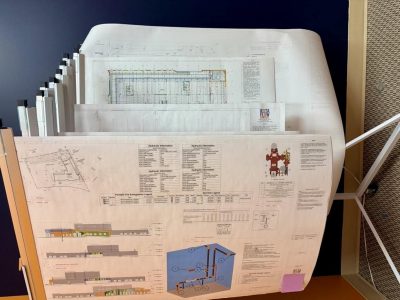
Rotaflow helps industrial plants with process safety reviews, risk assessments and compliance planning. Our engineering-first approach minimises operating risks and enhances protective solutions for critical environments.
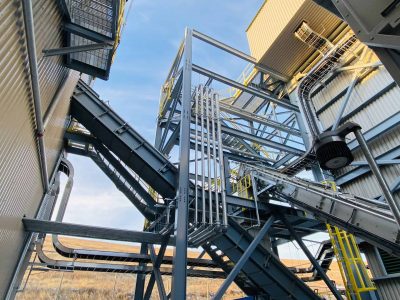
Rotaflow helps commercial and industrial facilities understand and comply with applicable fire codes and safety regulations by providing compliance reviews, practical recommendations and professional coaching.
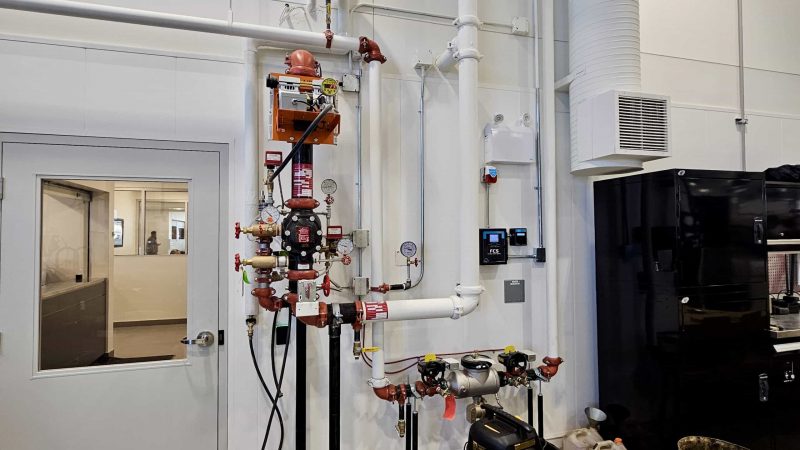
Process safety consulting assists in identifying operational hazards, assessing risks, and improving safety systems in industrial contexts. Studies like PHA, HAZOP, HAZID and FMEA help in safer operations, improved planning and regulatory compliance.
Rotaflow reviews facility needs, discovers safety gaps and makes engineering based solutions to help industrial and commercial buildings comply with applicable fire codes and improve long-term safety performance.
A Process Hazard Analysis (PHA) is the generic term used to describe the systematic evaluation of hazards associated with a process, often a regulatory requirement for facilities that handle hazardous chemicals. HAZOP (Hazard and Operability Study) is a particular and very formalised PHA approach which uses guide words (such as “more”, “less”, “no”, “reverse”) applied to each process parameter to systematically identify deviations from design intent. HAZID is typically conducted earlier in a project life cycle – often at the conceptual or early design stage – to broadly identify hazards before detailed engineering locks in the design. HAZOP is typically conducted when piping and instrumentation diagrams (P&IDs) are more mature.
HAZID is generally most valuable early on, during conceptual design or front-end engineering when hazards identified can still be designed out relatively cheaply. HAZOP requires detailed P&IDs and process data to be meaningful, so it is usually done later, closer to detailed design or before construction, when the process configuration is largely fixed. Often, running a HAZOP too early produces incomplete results, because the design details needed to properly apply the guideword methodology simply do not exist yet.
A credible HAZOP normally calls for a multi-disciplinary team – process engineers, operations personnel who understand how the plant actually behaves, instrumentation/controls engineers and a trained HAZOP facilitator to guide the guide-word methodology. Operational personnel are often omitted because design engineers may not be aware of deviations or workarounds that happen in the real world during the actual operation of the plant.
Many regulatory regimes (e.g., OSHA Process Safety Management in the US) require a PHA to be revalidated on a recurring basis, typically every 5 years, or sooner if there is a significant process change, equipment modification, or after an incident that exposes a gap in the original analysis. One of the more common compliance gaps that facilities face is treating the PHA as a one-time exercise, instead of a living document.
Industrial facilities have complex processes, equipment and hazardous circumstances that require good risk management for safe and reliable operation. Fire code and process safety consulting enables organisations to anticipate potential failures, evaluate operational risks, and design plans to prevent incidents before they happen.
Industrial facilities have complex processes, equipment and hazardous circumstances that require good risk management for safe and reliable operation. Fire code and process safety consulting enables organisations to anticipate potential failures, evaluate operational risks, and design plans to prevent incidents before they happen.
A structured process safety approach is focused on assessing facility operations, equipment design, procedures and potential risks. Detailed assessments can help companies improve safety performance, prevent unexpected breakdowns and ensure long-term operational reliability.
Process Hazard Analysis (PHA) is a systematic approach to discover, assess and manage risks in industrial operations. This helps teams to recognise possible dangers linked with equipment, processes and operational situations while implementing effective prevention methods.
Hazard and Operability (HAZOP) studies are extensive reviews of processes to identify potential deviations, operational problems and safety concerns. These studies enable safer decisions during the design, modification, and continuous operations of the facility.
Hazard Identification (HAZID) allows teams to identify possible hazards early in the project life cycle and design safer solutions long before problems arise.
Failure Mode and Effects Analysis (FMEA) is a method to examine the potential for failures of equipment or systems and to identify the potential effect on operations. This allows for better reliability, maintenance planning and risk reduction.
In addition to industrial process safety, commercial facilities require appropriate fire safety planning and compliance management. Understanding the appropriate fire rules helps building owners design safer buildings, better protect inhabitants and decrease operating hazards.
Fire code consulting helps institutions discover compliance gaps, assess safety standards and offer realistic modifications based on building and operational needs.
Rotaflow offers fire code and process safety consulting help, emphasising practical solutions to real world problems. Rotaflow combines engineering understanding, hazard assessment techniques and compliance skills to assist facilities to improve safety, dependability and operating confidence.

From scoping and detailed design to construction and maintenance, if you’ve got questions or ideas you would like to share, send a message.
